
Keeping a lush, healthy lawn in Alabama can be challenging, thanks to the many weeds that thrive in the state’s unique climate. These invasive plants compete with your grass for vital nutrients, water, and sunlight, often leaving parts of your lawn struggling. The key to maintaining a thriving lawn is identifying and controlling these common weeds before they take over.
In this guide, we’ll break down the most common broadleaf and grassy weeds in Alabama, how to recognize them, and the best methods for keeping them under control. With the right approach, you can enjoy a healthy, weed-free lawn year-round.

Why Identifying Weeds Is Crucial
Weeds are more than just an eyesore. Left unchecked, they can:
- Drain vital nutrients and moisture from your lawn.
- Disrupt the uniform appearance of your grass.
- Make lawns more susceptible to pests and diseases.
By learning to identify common species and understanding their life cycles, you can implement timely and effective control measures. Let’s start by exploring some of the most common broadleaf weeds plaguing Alabama lawns.
Common Broadleaf Weeds in Alabama
 White Clover (Trifolium repens)
Appearance and Identification
White clover is easily recognizable by its trifoliate, clover-shaped leaves and small white flowers. It typically appears in spring and thrives in nutrient-poor soils.
Impact on Lawns
This weed spreads aggressively, forming dense clusters that crowd out your grass.
Control Methods
- Preventive Measures: Regular fertilization strengthens your lawn, making it less susceptible to clover invasion.
- Herbicides: Use a selective post-emergent herbicide designed for clover removal.
Buckhorn Plantain (Plantago lanceolata)
Appearance and Identification
Buckhorn plantain has long, narrow leaves growing in rosettes with distinctive flower spikes.
Impact on Lawns
It depletes soil nutrients and creates unsightly patches in your lawn.
Control Methods
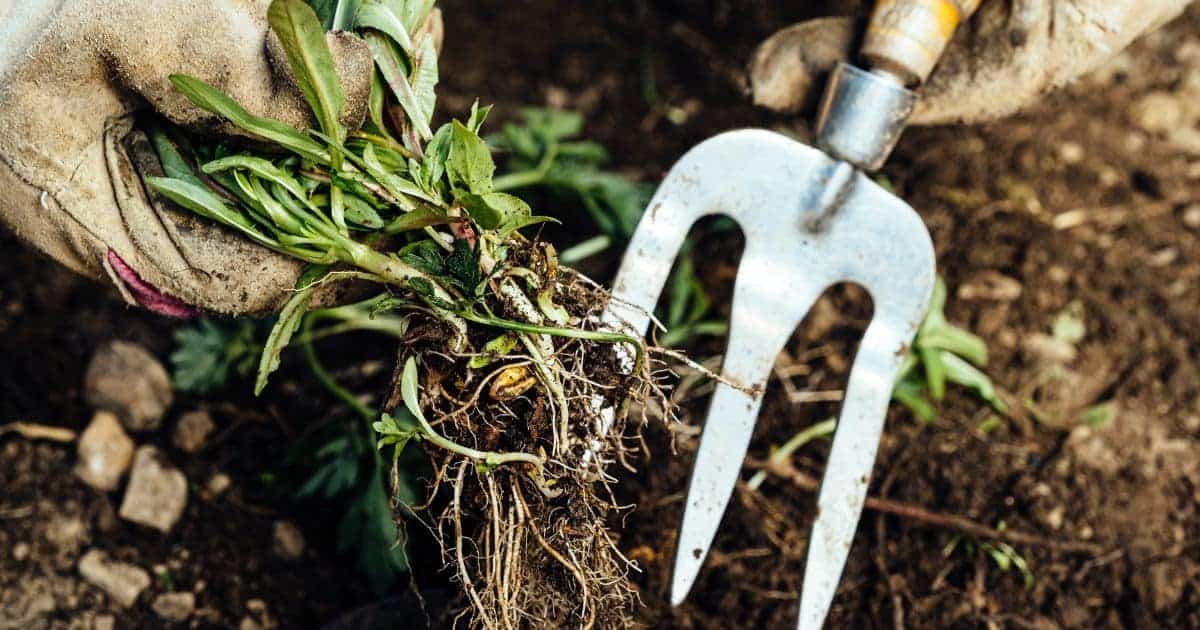
- Manual Removal: Hand-pull when the soil is moist to remove its deep taproot.
- Herbicides: Apply selective broadleaf herbicides pre- and post-emergence for effective control.
Dandelion (Taraxacum officinale)
Appearance and Identification
Dandelions are iconic with their bright yellow flower heads and fluffy seed puffs.
Impact on Lawns
They disrupt the aesthetics of your lawn while competing for space and nutrients.
Control Methods
- Apply broadleaf herbicides in the fall to prevent spring emergence.
- Remove by hand using a weed puller to extract the entire taproot.
Thistle (Cirsium vulgare)
Appearance and Identification
Thistles feature prickly stems and purple, fluffy flowers.
Impact on Lawns
Their deep roots deplete nutrients, while their sharp spines can discourage activities on the lawn.
Control Methods
- Cultural Practices: Mow frequently to prevent flowering and seed dispersion.
- Chemical Control: Use specialized herbicides targeting thistle weeds.
Chickweed (Stellaria media)
Appearance and Identification
This weed has small white flowers and bright green leaves, thriving in shady and moist areas.
Impact on Lawns
Chickweed grows rapidly, forming thick mats that choke out grass.
Control Methods
Use pre-emergent herbicides in fall and ensure proper lawn drainage to discourage its spread.
Common Grassy Weeds in Alabama
Crabgrass (Digitaria sanguinalis)
Appearance and Identification
Crabgrass is light green with wide, flat blades and spreads outward in a crab-like manner.
Impact on Lawns
It aggressively invades sparse areas, competing with grass for sunlight and water.
Control Methods
- Apply pre-emergent herbicides in early spring.
- Mow at the recommended height to encourage dense grass growth.
Dallisgrass (Paspalum dilatatum)
Appearance and Identification
This coarse, clumping grass has broad leaves with seed heads resembling ryegrass.
Impact on Lawns
Its fast-growing nature makes it challenging to control without intervention.
Control Methods
- Use non-selective herbicides and reseed bare spots to prevent recolonization.
- Improve soil drainage as it thrives in wet conditions.
Annual Bluegrass (Poa annua)
Appearance and Identification
Annual bluegrass produces dense, light-green tufts and small seed heads.
Impact on Lawns
It invades thin areas, outcompeting grass, especially during cooler months.
Control Methods
- Employ pre-emergent herbicides in late summer to early fall.
- Increase mowing frequency to prevent seed production.
Seasonal Weed Challenges
 Alabama’s climate brings unique seasonal weeds. Knowing when certain weeds emerge allows for better prevention.
Summer Weeds
Common Purslane (Portulaca oleracea)
- Identification: Succulent leaves, reddish stems, and small yellow flowers.
- Control Methods: Hand-pull or use pre-emergent herbicides.
Spotted Spurge (Euphorbia maculata)
- Identification: Flat growth pattern with reddish stems and small purple-red spots.
- Control Methods: Mulch your lawn and use post-emergent herbicides.
Winter Weeds
Henbit (Lamium amplexicaule)
- Identification: Purple flowers and scalloped leaves.
- Control Methods: Apply pre-emergent herbicides in the fall and regularly aerate your soil.
Annual Bluegrass (Poa annua)
- Control as outlined earlier, with a focus on fall applications.
Seasonal Weeds to Watch for in Alabama
Alabama’s diverse climate presents a range of weeds that emerge seasonally, making it essential for homeowners to remain vigilant. Summer often brings the widespread growth of common purslane, a persistent weed known for its rapid emergent qualities. In contrast, during other times of the year, the wild violet with its distinct purple flowers begins to speckle lawns across the state. Identifying these weeds allows for strategically timed lawn care interventions, fostering a healthier lawn throughout the year. Seasonal knowledge ensures that gardens remain resilient against weed invasions.
The critical seasonal appearance and management strategies for common weeds in Alabama’s diverse climate
| Weed Name | Season | Identification Features | Growth Environment | Control Strategies |
| Common Purslane | Summer | Succulent leaves, reddish stems, yellow flowers | Sunny, disturbed soils, gardens, lawns | Hand pulling, mulching, pre-emergent herbicides |
| Wild Violet | Spring to Early Summer | Heart-shaped leaves, purple or white flowers | Shaded lawns, moist and fertile soil | Manual removal, selective broadleaf herbicides |
Effective Weed Control Methods
Controlling weeds requires a well-rounded approach combining chemical, organic, and cultural measures.

Pre-Emergent Herbicides
- Best used in early spring or fall to prevent common weed seeds from germinating.
- Look for products containing dithiopyr or prodiamine.
Post-Emergent Herbicides
- Apply selectively based on the type of weed and growth stage.
- Use non-selective herbicides only in areas free from desirable grass.
Natural and Organic Solutions
- Try vinegar sprays for broadleaf weeds in small areas.
- Corn gluten meal can act as an eco-friendly pre-emergent herbicide.
Preventative Lawn Care Practices
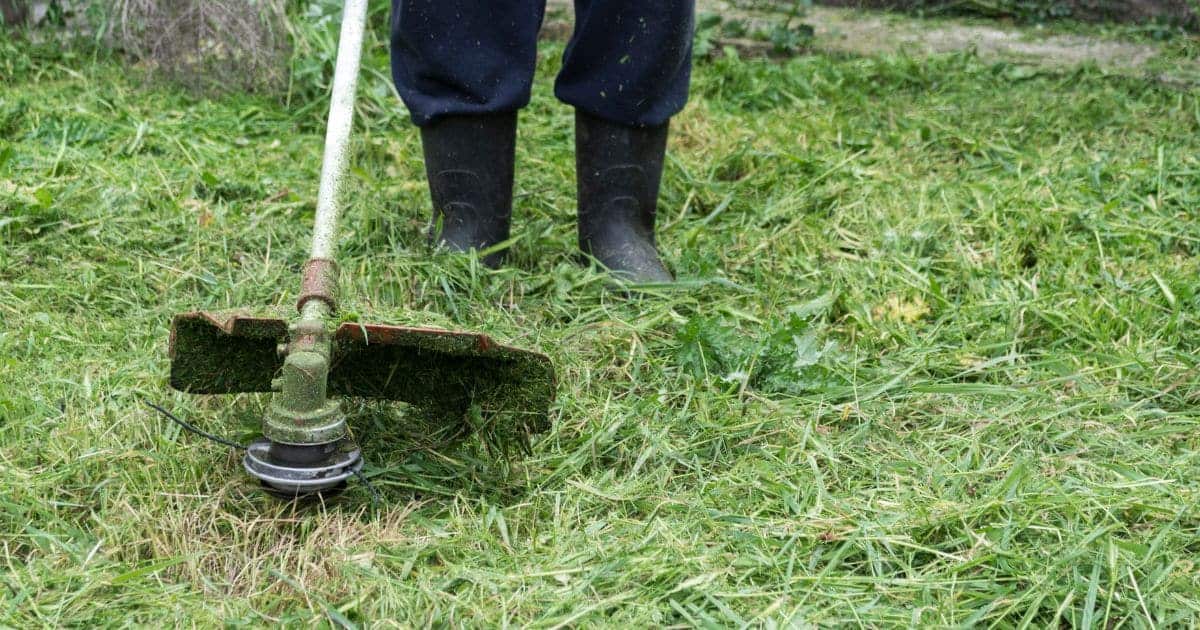
Maintaining a healthy lawn is your best defense against weeds.
Proper Lawn Maintenance
- Mow at the right height to encourage grass density.
- Water deeply but infrequently to promote root growth.
- Fertilize with a slow-release product specific to your grass variety.
Improve Soil Health
- Test your soil regularly to monitor pH levels.
- Use lime or sulfur to adjust soil pH as needed.
Take Control of Your Lawn
By understanding the common weeds that invade Alabama lawns and employing targeted control strategies, you can keep your lawn vibrant and healthy year-round. Weeds such as crabgrass, clover, and dandelions are notorious for competing with your grass for nutrients, water, and sunlight, leaving your lawn looking patchy and weak. Proactive care is key—this includes regular maintenance like mowing, watering, and fertilizing to promote strong grass growth, which naturally crowds out weeds. Additionally, timely herbicide applications can help target and eliminate persistent weed problems before they spread. A little extra effort goes a long way in ensuring your lawn remains lush, green, and the envy of the neighborhood.
FAQs About Lawn Weeds in Alabama

What are common weeds found in Alabama lawns?
Common weeds that stress Alabama lawns include white clover, buckhorn plantain, common purslane, wild violet, annual bluegrass, and chickweed. Identifying these weeds can help in implementing effective control strategies.
How can I identify white clover in my lawn?
White clover can be identified by its clusters of round leaves and small, white flowers. It typically emerges in early spring and competes aggressively with grass for essential nutrients.
What strategies can be used to control buckhorn plantain?
Buckhorn plantain is characterized by long, narrow leaves and distinctive flower spikes. Controlling it involves early detection and applying specific lawn care tactics to prevent it from disrupting nutrient uptake in your grass.
When is the best time to tackle common purslane invasions?
Common purslane thrives in Alabama’s summer heat. To manage it effectively, implement targeted lawn care strategies during its peak growth season, which includes maintaining proper mowing height and employing pre-emergent herbicides.
What lawn maintenance practices help prevent weed invasions?
Preventive lawn care strategies include regular aeration, overseeding to fill bare spots, and employing pre-emergent herbicides to prevent weed germination. Consistent lawn maintenance, such as proper watering and fertilization, supports robust grass growth, reducing space for weeds.
