

As the chill of winter sets in across Alabama, homeowners may notice an unexpected sight popping up in their dormant lawns—winter weeds. These resilient plants thrive in cooler temperatures, often overtaking grass and disrupting the uniformity of carefully tended landscapes. Understanding which winter weeds are common in Alabama is essential for effective lawn maintenance and management. By identifying and addressing these invasive species, property owners can preserve their lawns’ health and appearance throughout the colder months, ensuring a smoother transition into the vibrant growth of spring.
Let’s explore the most prevalent winter weeds that might be lurking in your backyard.
Common Winter Weeds Found in Alabama
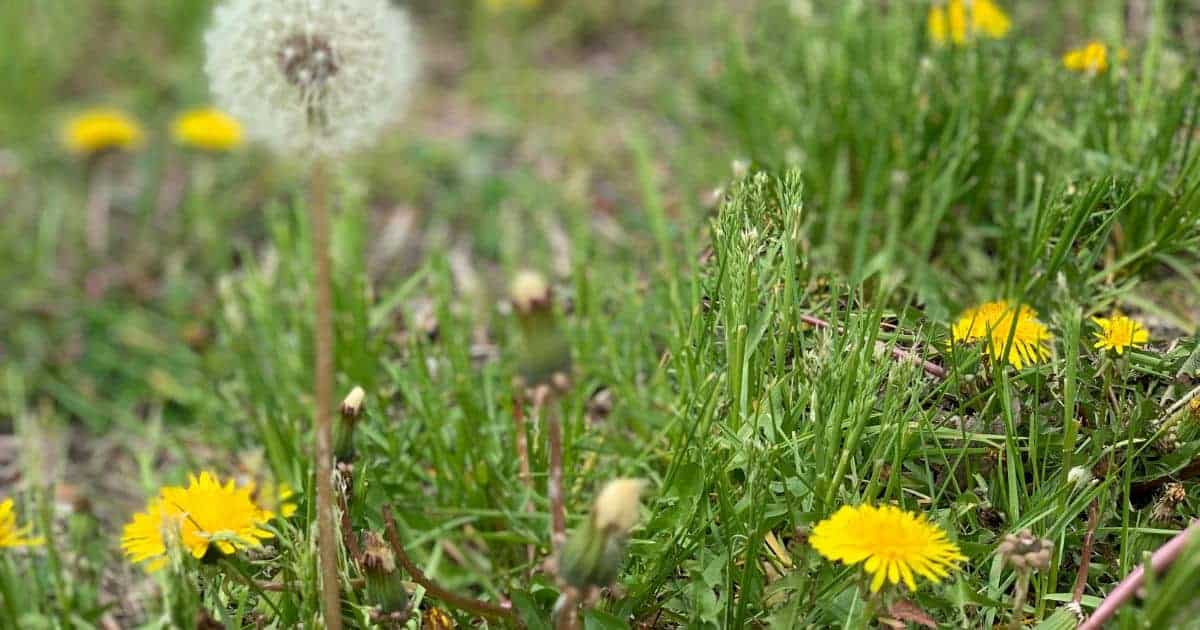 Here’s a list of the most prevalent winter weeds you’re likely to encounter in your Alabama lawn. Each entry includes descriptions of their characteristics and the impact they have on your turf.
- Henbit
- Characteristics: A winter annual with square-shaped stems and purple, tubular flowers.
- Growth Habits: Prefers moist, shaded areas; grows rapidly in late winter to spring.
- Impact: Spreads quickly, stealing valuable nutrients from grass.
- Chickweed
- Characteristics: Small, egg-shaped leaves with white, star-like flowers.
- Growth Habits: Thrives in cool, damp areas and forms dense mats.
- Impact: Crowds out grass and creates an unkempt appearance.
- Annual Bluegrass (Poa Annua)
- Characteristics: Bright green grass with fine-textured leaves and small seed heads.
- Growth Habits: Grows in clusters; favors compacted soil and shady spots.
- Impact: Reduces lawn uniformity and competes with desirable turfgrass.
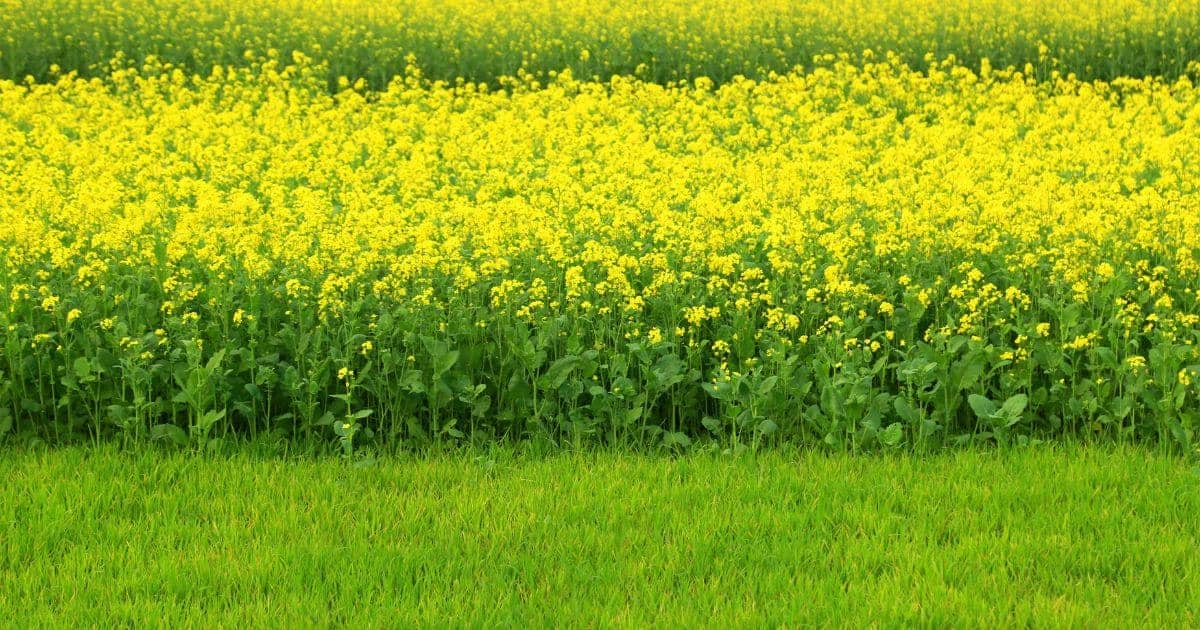
- Wild Mustard
- Characteristics: Produces bright yellow flowers and long, slender seed pods.
- Growth Habits: Grows upright in open, sunny areas.
- Impact: Competes aggressively and spreads rapidly across thin spots.
- Hairy Bittercress
- Characteristics: A small rosette-forming weed with delicate white flowers.
- Growth Habits: Germinates in fall; produces seeds that spread far with slight movement.
- Impact: Forms clusters, reducing lawn density and aesthetic appeal.
- Shepherd’s Purse
- Characteristics: Unique heart-shaped seed pods with small white flowers.
- Growth Habits: Appears in areas with poor turf health; thrives in early spring.
- Impact: Spreads aggressively, leaving thin patches in lawns.
- Clover
- Characteristics: Recognizable by its three-leaf clusters and small white or pink flowers.
- Growth Habits: Prefers sunny areas; grows tightly across lawns.
- Impact: Can enrich soil with nitrogen but often seen as invasive in certain grass types.
Winter Weeds in Alabama
To help you differentiate between these weeds and choose the right management tactics, the table below highlights their appearances, preferred growth conditions, and practical control methods.
| Weed | Appearance | Growth Conditions | Control Methods |
| Henbit | Purple flowers, square stems | Moist, shaded areas | Pre-emergent herbicide; manual pulling |
| Chickweed | Star-like white flowers | Cool, damp soil | Post-emergent herbicide; regular mowing |
| Annual Bluegrass | Bright green, small seed heads | Compacted, shaded soil | Aeration; pre-emergent weed control |
| Wild Mustard | Yellow flowers, seed pods | Sunny, open areas | Mowing; hand removal |
| Hairy Bittercress | Tiny white flowers, rosettes | Disturbed or thin turf areas | Pre-emergent treatment; weed pulling |
| Shepherd’s Purse | Heart-shaped pods, small flowers | Poor turf health zones | Applying broadleaf herbicides |
| Clover | Three-leaf clusters, small flowers | Sunny areas, nutrient-poor soil | Encourage healthy lawn growth; spot treatment |
The Impact of Lawn Weeds on Your Lawn
Winter weeds, when found in Alabama lawns, can severely impact the health and appearance of your turf. The growth of these lawn weeds often threatens to choke out the grass, competing for essential nutrients and sunlight. As a result, weakened grass cannot thrive, leading to bald patches and unhealthy lawns. Moreover, the presence of broadleaf weeds like dandelions and purple deadnettle can drastically affect the structural integrity of the lawn. Effective lawn care practices focused on controlling winter weeds are vital to maintaining a lush and vibrant yard, ensuring it withstands seasonal challenges.
To combat these stubborn winter weeds, consider the following essential techniques:
- Regularly hand-pull weeds before they seed to prevent spread.
- Apply a pre-emergent herbicide in late fall to target weed seeds.
- Mow your lawn slightly shorter during winter to expose and control weeds.
- Keep lawn equipment clean to avoid transferring weed seeds.
- Maintain a dense turf by overseeding with appropriate grass varieties.
- Water deeply but infrequently to discourage shallow-rooted weeds from establishing.
- Use mulch to suppress weed growth in garden beds and exposed soil.
- Fertilize appropriately to strengthen grass, giving it a competitive edge over weeds.
Implementing these strategies will enhance your lawn’s health, keeping it lush and beautiful all year round.
Prevention and Maintenance Tips
Preventing the spread of winter weeds like dandelions is vital for maintaining the health of Alabama lawns. Strategic planning and consistent lawn care practices can mitigate the impact of these persistent invaders. By understanding the behaviors of common weeds and implementing targeted control measures, homeowners can protect their turf’s vitality. This section delves into comprehensive strategies to control these invasive species, ensuring your lawn remains lush and resilient throughout colder months.
A clear overview of the strategic weed control methods crucial for maintaining Alabama lawns during colder months, allowing for easy selection of the appropriate prevention and maintenance tactics to mitigate winter weed issues like dandelions:
| Method | Timing | Tools/Materials | Effectiveness |
| Pre-Emergent Herbicides | Late Fall | Sprayers, Protective Gear | High |
| Manual Removal | Early Winter | Garden Forks, Gloves | Moderate |
| Mowing | Throughout Winter | Lawn Mower | Moderate |
| Mulching | Late Fall | Organic Mulch, Spreader | High |
| Soil Aeration | Fall | Aerator | High |
Understanding and managing winter weeds in Alabama lawns is crucial for maintaining a healthy and appealing outdoor space. By identifying common species such as chickweed, henbit, and annual bluegrass, homeowners can implement effective control strategies that preserve the lawn’s aesthetics and functionality. Employing a combination of cultural practices, manual removal, and selective herbicides can minimize weed impact. Consistent lawn care and timely interventions are key to preventing infestations. Staying informed about local conditions and engaging with lawn care professionals can further ensure a thriving landscape year-round, allowing residents to enjoy their outdoor environments even during the colder months.
Frequently Asked Questions (FAQs)
Here are answers to common questions lawn care enthusiasts in Alabama may have about handling winter weeds.
What are the best times to tackle winter weeds?
The ideal time to manage winter weeds is late summer to early fall. This is when pre-emergent herbicides are most effective, as they can prevent weed seeds from germinating.
What can I do if weeds have already sprouted?
For existing weeds, use post-emergent herbicides specifically designed for the type of weeds you’re dealing with. Manual removal is also an option for smaller infestations.
How can I prevent winter weeds from returning next year?
Maintaining a healthy lawn is your best defense. Practices such as overseeding, proper fertilization, and ensuring sufficient sunlight can discourage weeds from taking root.
Are herbicides safe for pets?
Some herbicides can harm pets if ingested or contacted shortly after application. Always check the product label for safety guidelines and keep pets off treated areas as recommended.
Can I use organic methods to control winter weeds?
Yes, organic options such as hand-pulling, natural weed suppressants like corn gluten meal, or improving soil health can be effective. These methods require more time and effort but are eco-friendly.
Why are winter weeds more common in neglected lawns?
Winter weeds thrive in weakened or unhealthy lawns where grass struggles to compete. Issues like soil compaction, poor irrigation, or nutrient deficiencies make lawns more susceptible.
Is overseeding a good idea for winter weed prevention?
Absolutely. Overseeding helps thicken your lawn, reducing open spots where winter weeds might take hold.
What tools are best for manual weed removal?
A hand weeder or dandelion puller can be helpful for deep-rooted weeds. Ensure you remove the root entirely to prevent regrowth.
By identifying and tackling winter weeds early, you can protect the beauty and health of your lawn throughout Alabama’s colder months. With the right strategies and consistent care, you’ll have a thriving lawn that’s ready to flourish come spring!
