
Alabama’s lush, green lawns are a source of pride for many homeowners. From the rolling hills in the north to the coastal plains in the south, a healthy lawn is part of the state’s signature charm. But as the vibrant summer gives way to the cooler, crisper days of autumn, a common question arises: When does the grass actually stop growing? Understanding this cycle is key to maintaining a beautiful yard year-round and preparing it for the changing seasons.
The answer isn’t a single date on the calendar. Instead, it’s a gradual process influenced by several factors, including dropping temperatures, shorter daylight hours, and the specific type of grass blanketing your yard. For Alabama lawn care enthusiasts, knowing when this slowdown happens is crucial for proper maintenance, from the final mow of the season to winter preparation. This guide will walk you through the science of grass dormancy, the specific timelines for Alabama’s climate, and what you can do to ensure your lawn stays healthy through the winter and bursts back to life in the spring.
The Science of Grass Growth: Temperature is Key
Grass, like most plants, is a living organism that responds directly to its environment. Its growth is driven by photosynthesis, a process that requires sunlight, water, and specific temperatures to thrive. When conditions are ideal, your grass grows vigorously. When they are not, it slows down and eventually enters a state of dormancy to conserve energy and survive.
The primary trigger for grass to stop growing is soil temperature. While air temperature fluctuates daily, soil temperature is more stable and provides a reliable signal for plants. Most turfgrasses have an optimal temperature range for active growth. Once the soil temperature consistently drops below a certain threshold, the grass begins to shut down its growth processes.
In Alabama, this transition typically begins in the fall. As the days get shorter and the nights get colder, the soil gradually loses the warmth it stored up during the summer. This temperature drop is the main signal for your lawn to prepare for winter.
Warm-Season vs. Cool-Season Grasses in Alabama
Alabama is located in a transition zone, but the state’s hot, humid summers make it an ideal environment for warm-season grasses. These are the most common types you’ll find in residential lawns across the state. They are incredibly resilient to heat and drought, thriving in the peak of summer. However, they are also the first to go dormant when the cold arrives.
Cool-season grasses, on the other hand, are less common as a primary turf in Alabama but are often used for overseeding in the fall. They have a different growth cycle, preferring the milder temperatures of spring and autumn.
Here’s a look at the common grass types in Alabama and their growth patterns:
Warm-Season Grasses (The Alabama Standard):
- Bermudagrass: A very popular choice, known for its durability and rapid growth in full sun. It’s a true heat-lover.
- Zoysia: Prized for its dense, carpet-like feel and good shade tolerance. It turns a distinct tan color in winter.
- Centipedegrass: A low-maintenance option that does well in the acidic soils of southern Alabama. It’s often called “lazy man’s grass.”
- St. Augustine: Common along the Gulf Coast, this grass has coarse blades and loves humidity but is the least cold-tolerant of the group.
These warm-season grasses enter dormancy when soil temperatures consistently fall below 55°F. This typically happens in Alabama from mid-October to late November, depending on your specific location within the state. North Alabama may see dormancy start a few weeks earlier than the coastal areas around Mobile.
Cool-Season Grasses (The Winter Green):
- Tall Fescue: Often used in more shaded lawns or in the northern parts of the state. It stays green longer into the fall.
- Ryegrass: Almost exclusively used for winter overseeding. Homeowners often spread ryegrass seed over dormant Bermuda or Zoysia lawns to maintain a green color through the winter. Ryegrass will die off as temperatures rise in late spring.
Cool-season grasses thrive when soil temperatures are between 50°F and 65°F. They will continue to grow through much of an Alabama winter, only stopping during the coldest periods when the ground might freeze.

Comparing Warm-Season and Cool-Season Grass Growth Cycles
| Feature | Warm-Season Grasses (Bermuda, Zoysia) | Cool-Season Grasses (Fescue, Ryegrass) |
| Peak Growth | June – August (80-95°F air temp) | March – May & Sept – Nov (60-75°F air temp) |
| Dormancy Trigger | Soil temperature below 55°F | Soil temperature below 40°F or above 85°F |
| Winter Appearance | Turns tan or brown | Remains green (unless extreme cold) |
| Alabama Role | Primary lawn type for most of the state | Used for overseeding or in specific microclimates |
Alabama’s Climate and the Lawn Care Calendar
Alabama’s climate varies from north to south, which directly impacts when your grass will stop growing.
- North Alabama (Huntsville, Florence): This region experiences colder winters. You can expect your warm-season grass to start showing signs of dormancy in mid-to-late October. Growth will likely cease entirely by mid-November.
- Central Alabama (Birmingham, Tuscaloosa, Montgomery): The transition here happens a bit later. Dormancy usually begins in early November and is complete by the end of the month.
- South Alabama (Mobile, Dothan): With its mild winters, the growing season is longest here. Grass might not go fully dormant until early to mid-December. In a particularly warm year, it may not go completely dormant at all, though growth will be extremely slow.
This means you can’t rely on a “one-size-fits-all” date. The best indicator is to watch your lawn and the weather. Once you notice the vibrant green color starting to fade and you’re mowing less frequently, dormancy is setting in.
Practical Lawn Care for Transitional Periods
As your grass prepares for its winter rest, your lawn care routine needs to change. What you do in the fall directly impacts your lawn’s health next spring.
Late Summer to Early Fall (September – Early October)
Your warm-season grass is still growing, but it’s starting to slow down. This is a critical time for preparation.
- Fertilization: Apply a winterizer fertilizer that is low in nitrogen and high in potassium. Nitrogen encourages blade growth, which you want to avoid late in the season. Potassium strengthens the root system and improves cold hardiness, helping the grass survive winter. CLA Lawncare’s Chris Aaron notes, “A lot of people fertilize too late with the wrong stuff. Using a high-potassium formula in the fall is like giving your lawn a winter coat. It protects the roots.”
- Weed Control: Apply a pre-emergent herbicide. This will prevent winter weeds like poa annua (annual bluegrass) and henbit from taking over your dormant lawn. Once they sprout, they are much harder to control.
- Continue Mowing: Keep mowing at a regular height. Don’t be tempted to cut it too short, as this can stress the grass.
Mid-Fall to Early Winter (Late October – November)
As growth visibly slows, adjust your approach.
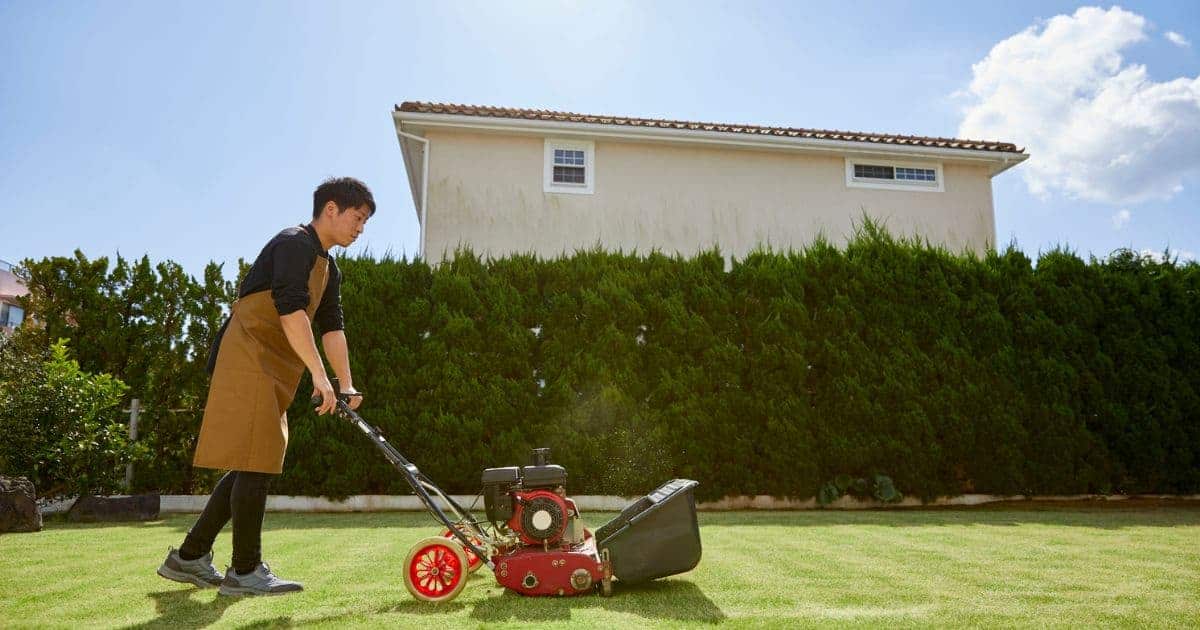
- Lower the Mower Blade: For your final one or two mows of the season, gradually lower the blade height. This allows more sunlight to reach the base of the grass, which can help prevent winter diseases. However, do not scalp the lawn; just a slightly shorter cut is sufficient.
- Leaf Removal: This is perhaps the most important fall task. A thick layer of leaves will smother your grass, block sunlight, and trap moisture, creating a perfect environment for fungus and disease. Whether you rake, mulch, or bag them, keep your lawn clear of heavy leaf cover.
- Water Wisely: Your lawn needs much less water as it goes dormant. Overwatering can lead to root rot and fungal problems. Only water if there’s a prolonged dry spell.
Winter (December – February)
Your lawn is asleep. The main goal now is to protect it.
- Stay Off the Grass: Dormant grass is brittle and can be easily damaged. Minimize foot traffic, especially on frosty mornings. Walking on frozen grass can break the blades and damage the crown of the plant, leading to brown spots in the spring.
- Monitor for Weeds: Keep an eye out for any winter weeds that may have broken through your pre-emergent barrier and spot-treat them as needed.
Key Takeaways for Alabama Lawns
Understanding your lawn’s natural rhythm is the foundation of good lawn care. For most Alabama homeowners with warm-season grasses, growth will effectively stop by mid-to-late November.
- Temperature is the trigger: Soil temperatures consistently below 55°F send warm-season grasses into dormancy.
- Location matters: North Alabama lawns go dormant weeks before those on the Gulf Coast.
- Fall preparation is crucial: The work you do in September and October determines your lawn’s health next spring. Focus on root health, not blade growth.
- Protect your dormant lawn: Keep it clear of leaves and limit foot traffic during the winter months.
By tuning into these signals and adjusting your maintenance routine, you can ensure your lawn weathers the Alabama winter safely and emerges thick, green, and healthy when the warmth returns.
What are your experiences with grass growth in your part of Alabama? Do you have any fall lawn care tips that work for you? Share your thoughts and questions in the comments below!
Frequently Asked Questions (FAQs)
My grass is turning brown in October. Is it dying?
No, it’s very likely not dying. Warm-season grasses like Bermuda, Zoysia, and Centipede naturally turn a tan or brown color when they go dormant for the winter. This is a normal, protective state, similar to how a deciduous tree loses its leaves. It will green up again in the spring as temperatures rise.
Should I water my lawn during the winter in Alabama?
Generally, you do not need to water a dormant lawn. Alabama typically receives enough winter rainfall to keep the soil from completely drying out. You should only consider watering if there is an unusual, extended period of drought (e.g., 3-4 weeks with no rain) and the ground is not frozen. A light watering will be sufficient.
Can I still mow my lawn after the first frost?
Yes. Grass growth is tied to soil temperature, not the first frost. Your grass will continue to grow, albeit slowly, until soil temperatures drop low enough to induce dormancy. You should continue to mow as needed until you notice the growth has stopped completely for the season.
What is overseeding and should I do it?
Overseeding is the practice of spreading cool-season grass seed (usually ryegrass) over a dormant warm-season lawn. This gives you a green lawn throughout the winter. It’s popular for high-visibility areas. Whether you should do it depends on your budget and tolerance for the maintenance, as an overseeded lawn will require regular mowing and watering through the winter. The ryegrass will then die off in the heat of late spring.
When will my grass start growing again in the spring?
Your warm-season grass will break dormancy and start to “green up” when soil temperatures consistently rise above 60-65°F. In Alabama, this usually happens between late March and mid-April. You’ll notice the green color returning and will need to start your spring mowing routine.
