
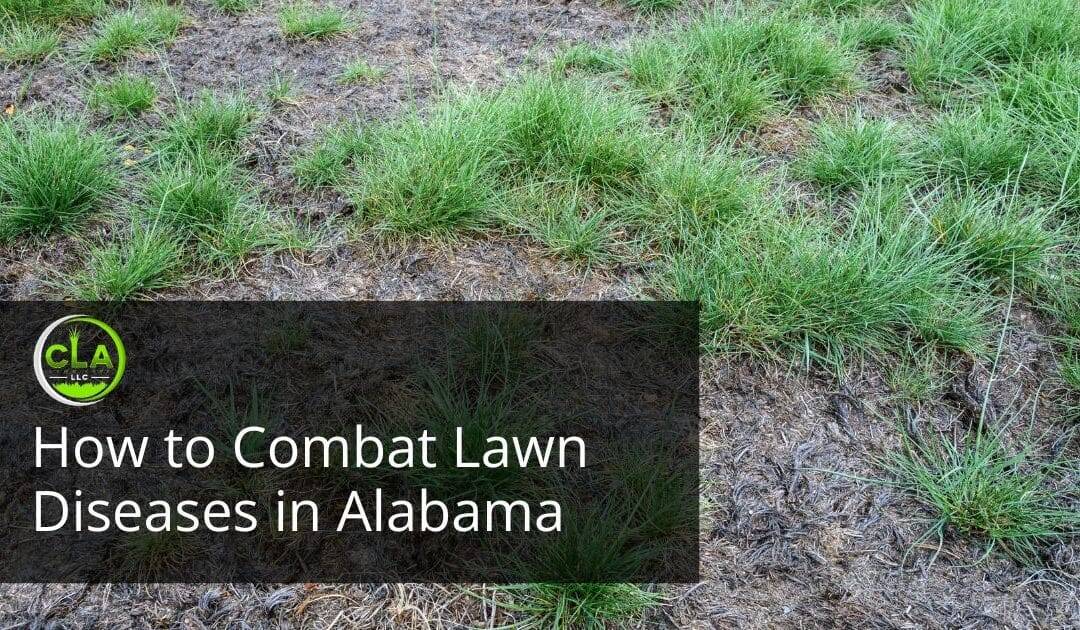
A lush, green lawn is a source of pride for many Alabama homeowners. However, maintaining a healthy lawn in Alabama’s humid subtropical climate can present unique challenges. High levels of heat and humidity, coupled with frequent rainfall, create the perfect environment for lawn diseases to thrive. Whether you live in Hueytown, AL, or nearby areas, understanding how to spot, prevent, and treat these diseases is key to keeping your lawn vibrant year-round.
Here, we’ll explore common lawn diseases in Alabama, provide practical prevention and treatment tips, and outline seasonal lawn care routines so your yard can be the envy of the neighborhood.
Understanding Lawn Diseases in Alabama
Lawn diseases are primarily fungal infections that damage grass, resulting in patches of discoloration, thinning, and even death. Alabama homeowners are particularly prone to battling some of the most common lawn diseases due to the region’s warm and humid conditions.
Common Lawn Diseases in Alabama 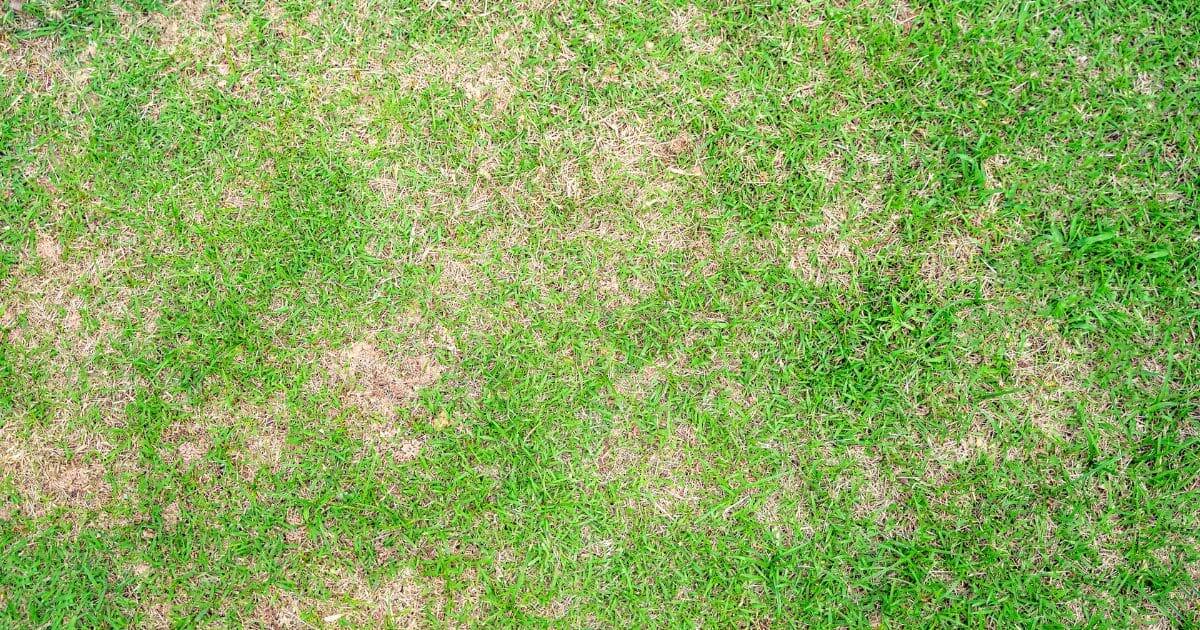
- Brown Patch
Brown patch is one of the most prevalent lawn problems in Alabama. This disease typically affects cool-season grasses like fescue and warm-season grasses such as St. Augustine, centipede, and zoysia. Brown patch thrives during the hot, moist months of summer and is characterized by circular, brown patches that can range from a few inches to several feet in diameter.
- Dollar Spot
Another familiar culprit, dollar spot, primarily affects Bermuda and zoysia grasses common in Alabama. This disease leaves small, silver-dollar-sized spots of bleached grass blades. Dollar spot often appears during extended periods of warmth and humidity and is exacerbated by under-fertilization or high thatch levels.
- Rust Fungus
This disease leaves orange or yellowish powder on grass blades, resembling rust. Rust tends to target areas with thin or stressed grass and is most likely to appear during extended cool, damp periods.
- Leaf Spot
Leaf spot is recognizable by its dark lesions bordered by yellowish rings. Over time, the disease causes complete yellowing and thinning of the grass. This issue often arises during the transition from spring to summer.
Factors that Trigger Lawn Diseases
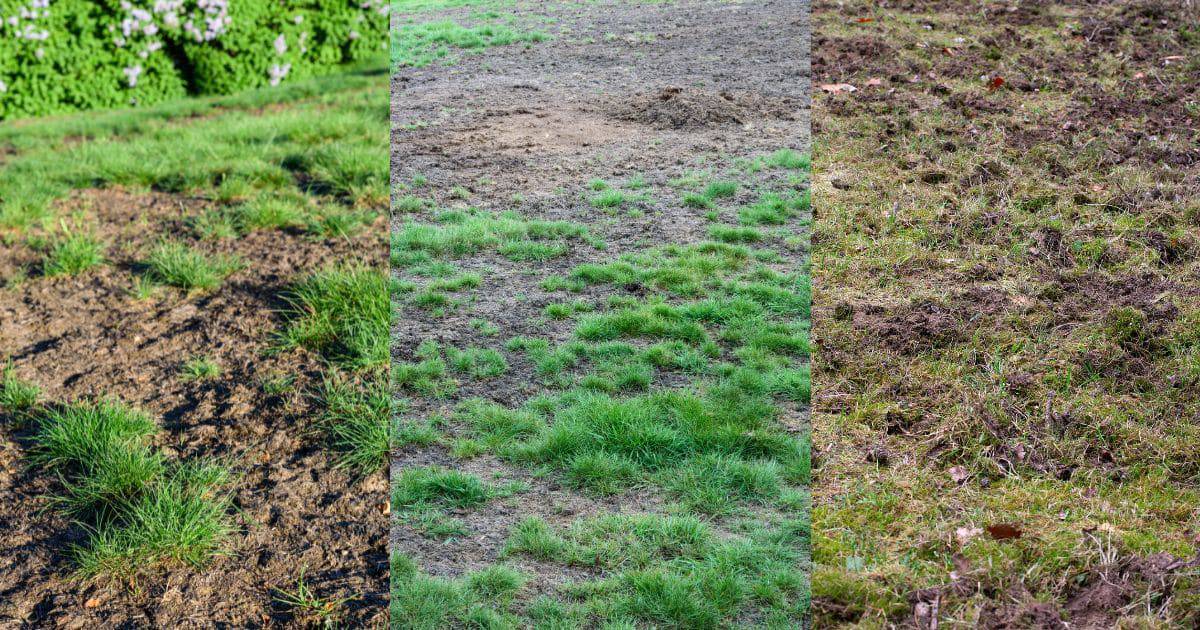
Several environmental and maintenance factors can contribute to lawn diseases, including:
- Overwatering or poor drainage
- Mowing too low or with dull blades
- Excessive thatch buildup
- Low soil nutrient levels, especially nitrogen
- Prolonged periods of warm, wet weather
Identifying and Combating Fungal Diseases in Lawns
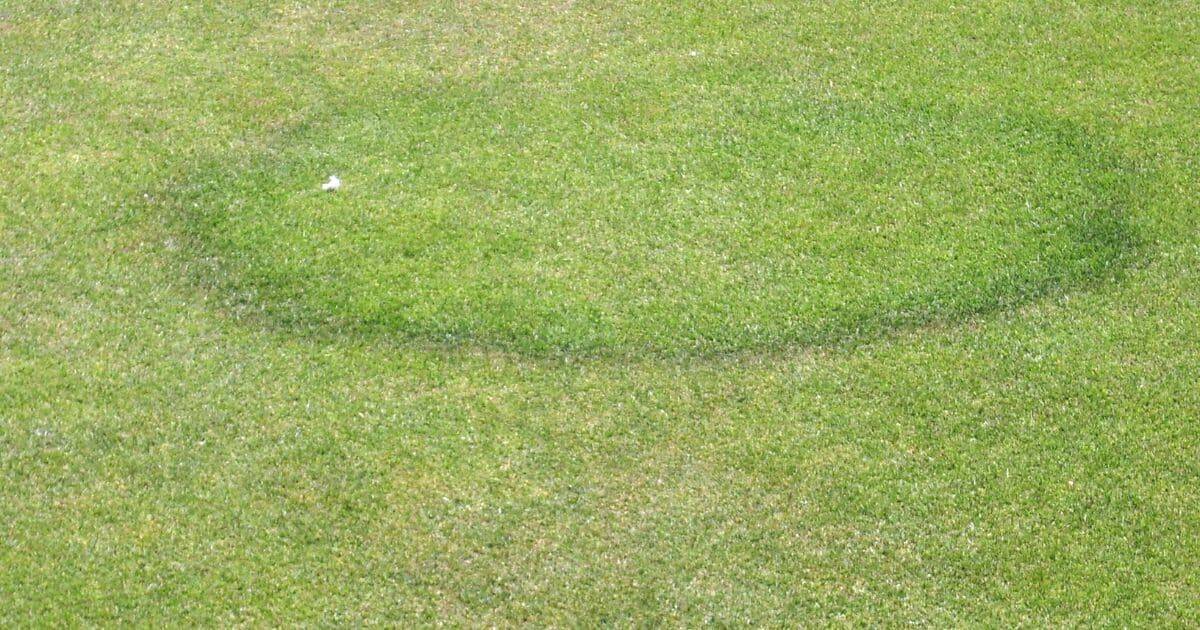 Fungal diseases can significantly impact the health of your lawn, especially in the humid climate of Alabama. Early intervention is key to controlling these issues before they become widespread. Understanding the early signs of lawn disease and taking deliberate action can help maintain the lush appearance of your turfgrass. This section focuses on recognizing the symptoms of fungal diseases, with tips for utilizing effective fungicides and pest control measures. Through vigilant monitoring and prompt action, you can safeguard your lawn from the common threats it faces throughout the year.
Spotting Early Signs of Disease and Taking Action
Spotting early signs of lawn disease is crucial to preventing severe damage. Look for common disease symptoms such as yellowing grass, brown patches, or a powdery white coating on your turfgrass. These early indicators often precede more extensive problems, such as the spread of lawn fungus through the soil. Acting promptly with the right fungicide can halt the progression of these fungal diseases. Regular inspections and knowledge of potential threats can position you to take swift and effective action. By addressing smaller issues before they escalate, you ensure your lawn remains healthy, vibrant, and resilient against future disease threats.
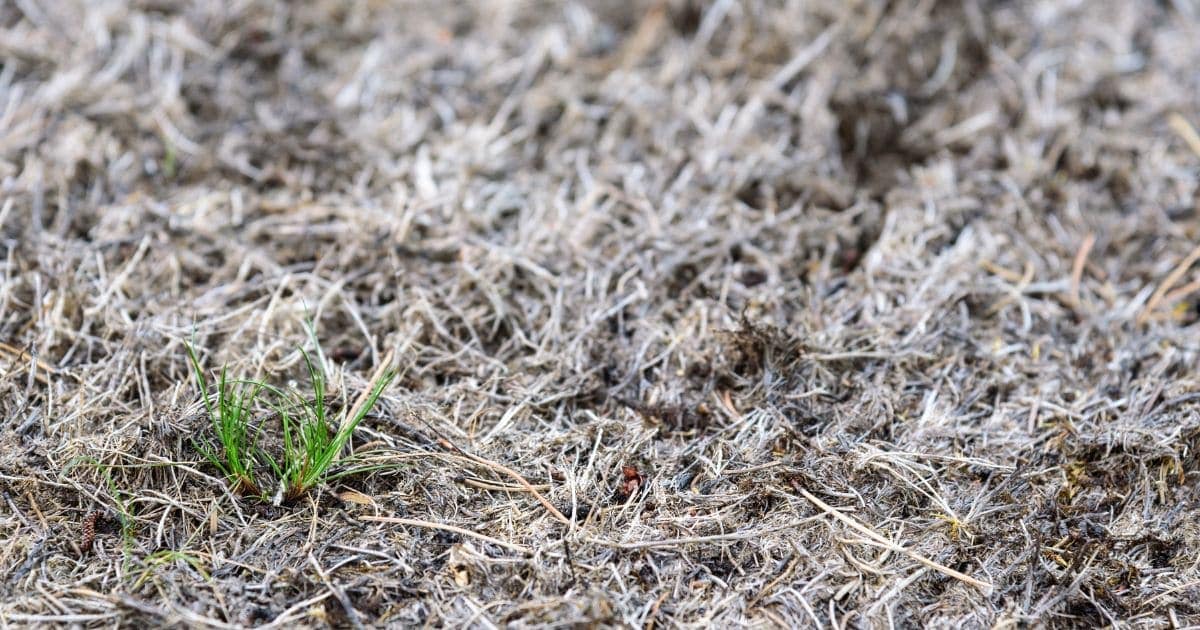
Here are actionable tips to safeguard your lawn from diseases effectively:
- Mow your lawn regularly to the appropriate height to prevent disease-favorable conditions.
- Ensure proper drainage to avoid standing water that can encourage fungal growth.
- Aerate the soil periodically to improve air circulation and nutrient absorption.
- Water deeply and infrequently to encourage deep root growth and deter surface fungal issues.
- Apply a balanced fertilizer to supply necessary nutrients and maintain strong, healthy grass.
- Remove lawn clippings and debris that might harbor pathogens or pests.
- Use fungicides as a preventative measure, especially during high-risk seasons.
- Identify and address any pest issues promptly to avoid further stress on the grass.
- Select disease-resistant grass strains suitable for your climate zone.
- Keep lawn equipment clean and disinfected to prevent the spread of diseases.
- Implementing these steps will help in maintaining a disease-free, lush green lawn.
Natural and Chemical Solutions for Lawn Disease Control
Combatting lawn diseases in Alabama requires a balanced approach utilizing both natural and chemical solutions. Understanding the benefits and limitations of each method can aid in applying effective treatment. Combining organic treatments with synthetic ones can provide comprehensive coverage against pests and fungi, ensuring a lush lawn. By integrating natural solutions with targeted chemical treatment strategies, homeowners can efficiently manage lawn care, ensuring vibrant grass and healthy soil. This section explores how to effectively balance these diverse treatments to maintain healthy turf and prevent lawn disease progression.
Balancing Organic and Synthetic Treatments
Effective lawn care in Alabama includes striking the right balance between organic and synthetic treatments. Organic treatments offer a more eco-friendly approach, utilizing natural solutions to enhance soil health and promote sustainable grass growth. These treatments support beneficial microbes within the soil, helping to prevent infestations and fungal diseases from taking root. Meanwhile, synthetic treatments, such as treatment fungicides and chemical solutions, provide targeted pest control to eliminate persistent issues like lawn fungus. By combining these approaches, homeowners can achieve optimal disease prevention without compromising the environment. Adopting a dual strategy allows for comprehensive control of lawn diseases, offering a robust defense against Alabama’s challenging climate.
Prevention Tips for a Disease-Free Lawn
Preventing lawn diseases starts with adopting healthy lawn care practices that strengthen grass and deter fungal growth. Here’s how to minimize the risk:
- Maintain Proper Watering Habits
Water lawns deeply but less frequently to promote deep root growth. Aim to water early in the morning to allow excess moisture to evaporate during the day.
- Aerate to Avoid Compaction
Compact soil limits airflow and drainage, creating a breeding ground for fungi. Aerating your lawn annually, particularly in high-traffic areas, helps maintain healthy soil.
- Follow Appropriate Mowing Practices
Cut no more than one-third of the grass blade height at a time, and always use sharp blades to avoid tearing. Adjust your mowing height based on your grass type to prevent scalping.
- Apply Fertilizer Strategically
Proper nutrition strengthens grass against disease. Use slow-release fertilizers and apply according to your grass type’s seasonal needs. Too much nitrogen, especially at the wrong time of year, can make certain diseases like brown patches more severe.
- Address Thatch Build-Up
A thick layer of thatch (organic matter between the soil and grass) can harbor disease-causing fungi. Dethatch your lawn periodically or conduct yearly mulching to limit thatch accumulation.
How to Treat Lawn Diseases
Even with the best intentions, lawn diseases can sometimes take root. Here’s how to tackle them head-on:
- Identify the Problem Early
Carefully inspect your lawn for discoloration, spots, or thinning areas. Knowing the specific disease is key to choosing the right treatment approach.
- Adjust Maintenance Practices
Correct habits that may be causing or exacerbating the issue, such as improper mowing, overwatering, or nutrient imbalances.
- Apply Fungicides
If prevention measures fail, fungicides can offer effective disease control. Look for treatments labeled for your specific lawn disease and grass type. Be sure to follow all packaging directions.
- Seek Professional Help
Severe infestations may require the expertise of a lawn care professional who can assess the problem and apply targeted, high-quality treatments.
Seasonal Lawn Care Routines for Hueytown, AL
Alabama’s climate requires a strategic approach to seasonal lawn care to ensure optimal health and resilience. Here’s a breakdown:
Spring
- Fertilize your lawn to support strong growth.
- Begin mowing regularly as grass emerges from dormancy.
- Dethatch and aerate as needed to improve airflow and nutrient penetration.
Summer
- Water deeply but less frequently in the early morning.
- Monitor for signs of heat stress or fungal growth, applying fungicides if necessary.
- Mulch garden beds to retain soil moisture and suppress weeds.
Fall
- Apply a fall fertilizer to prepare your lawn for dormancy.
- Remove leaves regularly to prevent matting and mold.
- Seed bare spots or thin areas with a cool-season grass blend.
Winter
- Limit foot traffic on dormant grass.
- Clean excess debris from your yard to avoid moisture buildup.
- Perform routine maintenance on lawn care equipment to prepare for spring.
FAQs
What are common lawn diseases in Alabama?
In Alabama, common lawn diseases include fungal infections and lawn fungus, such as dollar spot and brown patch, which are prevalent in the state’s humid climate.
How can mowing height affect lawn health?
Properly adjusting the mowing height can sustain lawn health and minimize disease risk. Taller grass helps shade the soil, balancing moisture and preventing fungal growth while promoting deep root growth for resilience.
What are effective strategies for preventing lawn diseases in Alabama?
Effective strategies include maintaining optimal mowing heights, conducting regular soil tests, and balancing organic and synthetic treatments to combat diseases. Seasonal care with proper watering, aeration, and timely intervention also plays a crucial role.
Why is early intervention important for controlling lawn diseases?
Early intervention helps identify disease symptoms like yellowing grass or brown patches before spreading extensively. Prompt use of fungicides and pest control measures can protect the lawn’s health and appearance.
How can a balanced approach improve lawn disease management?
Combining organic and synthetic treatments provides comprehensive coverage against pests and fungi. Organic methods enhance soil health, while synthetic solutions offer targeted control for persistent issues, ensuring sustainable lawn health.
Partner With Local Experts for Personalized Solutions
If you’re struggling with lawn diseases or simply want to maintain your property’s curb appeal year-round, consulting with a local lawn care professional can make all the difference. Trained experts, like those at CLA Lawncare in Hueytown, AL, can analyze your lawn’s unique challenges and create a customized care plan. From regular maintenance schedules to seasonal services like mulching and leaf removal, professional lawn care teams have the knowledge and tools to keep your yard in top shape.
Take the first step toward a healthier lawn today. Contact your local Hueytown lawn care experts for a free consultation and give your grass the care it deserves.
