
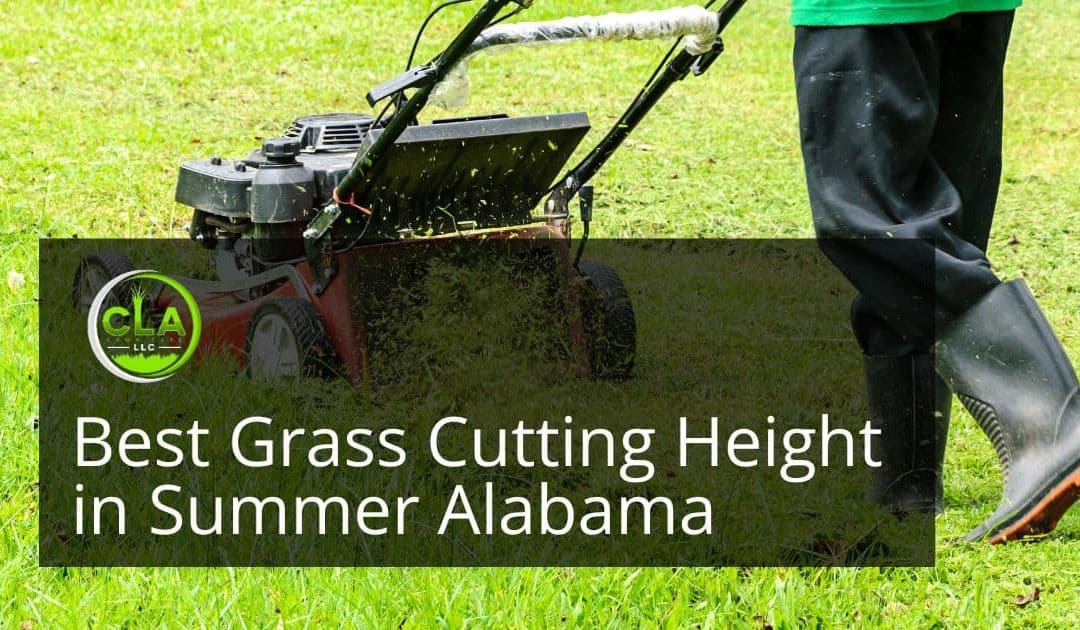
Keeping a lawn lush and green through an Alabama summer can feel like a full-time job. The combination of intense heat and high humidity creates a challenging environment for any turfgrass. Many homeowners find themselves battling brown patches and stubborn weeds, despite their best efforts. A healthy summer lawn isn’t just about watering; a huge part of its success comes down to how you mow it. Cutting your grass at the right height is one of the most effective ways to build resilience and maintain that beautiful curb appeal all season long.
As a locally owned and operated lawn care service with deep roots in the Hueytown and Bessemer area, we’ve learned a thing or two about what Alabama lawns need to thrive. This guide will walk you through the best grass cutting heights for common local grasses, share practical maintenance tips, and highlight common mistakes to avoid. Let’s get your lawn ready to beat the summer heat.
Understanding Alabama’s Summer Climate and Your Grass
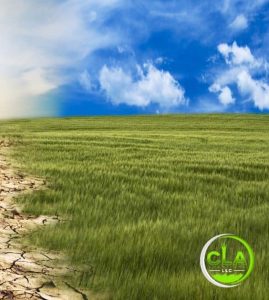 Alabama summers are defined by prolonged periods of heat, often with temperatures soaring into the 90s, and significant humidity. This climate puts immense stress on cool-season grasses and creates the perfect growing conditions for warm-season varieties. The intense sun can scorch grass blades and dry out the soil, while the humidity can create an environment ripe for fungal diseases.
Your lawn’s primary defense mechanism during this time is its own growth. Taller grass provides several key benefits:
- Shades the Soil: Longer blades of grass create a canopy that shades the soil, keeping it cooler and reducing water evaporation. This helps retain precious moisture where the roots need it most.
- Deeper Roots: Mowing higher encourages the grass to develop a deeper, more extensive root system. These deeper roots can access water and nutrients that are unavailable closer to the surface, making the lawn more drought-tolerant.
- Weed Suppression: A thick, tall lawn naturally crowds out weeds, preventing them from getting the sunlight they need to germinate and grow.
Cutting your grass too short weakens it, exposes the soil to the sun, and invites weeds and disease. It’s one of the most common reasons lawns struggle in the summer.
Optimal Mowing Heights for Alabama Grasses
 Most lawn care in Alabama are planted with warm-season grasses that are well-suited to our climate. The two most common types are Bermuda grass and Zoysia grass. Each has a specific mowing height range that helps it perform best during the hot summer months.
Bermuda Grass
Bermuda grass is a popular choice for its exceptional heat and drought tolerance. It’s a fast-growing, resilient turf that can handle heavy foot traffic. To keep it healthy in the summer, you should aim to mow it higher than you might in the spring.
The recommended summer mowing height for Bermuda grass is 1.5 to 2.5 inches. Mowing in this range allows the grass to develop the deep root system it needs to survive dry spells. Cutting it shorter than 1.5 inches during peak summer can stress the plant, making it more susceptible to heat damage and disease.
Zoysia Grass
Zoysia grass is known for creating a dense, carpet-like lawn that feels great underfoot. While it grows slower than Bermuda, it is also very heat-tolerant and has good shade tolerance. Its dense growth habit is excellent for choking out weeds.
For Zoysia grass, the ideal summer mowing height is 2 to 3 inches. This taller cut helps protect the plant’s runners (stolons) and the soil from the intense sun. A healthy, taller Zoysia lawn will maintain its deep green color even when temperatures rise.
Mowing Height Comparison
| Grass Type | Recommended Summer Height | Key Characteristics |
| Bermuda Grass | 1.5 – 2.5 inches | Fast-growing, drought-tolerant, durable |
| Zoysia Grass | 2.0 – 3.0 inches | Dense growth, shade-tolerant, slow-growing |
Common Mowing Mistakes to Avoid in Hot Weather
 Achieving the perfect cut is about more than just height. How and when you mow can make a significant difference in your lawn’s health. Here are a few common mistakes we see homeowners make:
- Mowing with Dull Blades: Dull mower blades don’t slice the grass; they tear it. This jagged cut stresses the plant and creates a frayed, brownish tip on each blade. These ragged edges are also entry points for diseases. Sharpen your mower blades at least once per season to ensure a clean cut that helps the grass heal quickly.
- Cutting Off Too Much at Once: Never remove more than one-third of the grass blade in a single mowing session. If your lawn gets overgrown, don’t try to bring it back to the desired height all at once. Instead, reduce the height gradually over several mowing, waiting a few days between each cut. This prevents shocking the plant and stripping it of its energy-producing leaves.
- Mowing Wet Grass: Mowing a wet lawn is a bad idea for several reasons. It can lead to an uneven cut, clog your mower deck, and leave behind clumps of wet clippings that can smother the grass beneath them. The moisture also makes your lawn more vulnerable to fungal diseases, which can be spread by the mower. Always wait for the lawn to dry completely before you mow.
- Mowing in the Hottest Part of the Day: Mowing under the intense midday sun puts stress on you and your lawn. The freshly cut grass is more vulnerable to dehydration and sunscald. The best time to mow is in the morning after the dew has dried or in the early evening. This gives the lawn time to recover before the next period of peak heat.
Beyond Mowing: Essential Summer Lawn Care Tips
Proper mowing is a cornerstone of summer lawn care, but it works best when combined with other healthy practices.
Watering Schedules
Water your lawn deeply but infrequently. Instead of light, daily sprinklings, provide about one inch of water per week, delivered in one or two sessions. This encourages deep root growth, making your lawn more resilient. The best time to water is early in the morning to minimize evaporation and allow the foliage to dry before nightfall, which helps prevent fungal growth.
Fertilization Techniques
Warm-season grasses should be fertilized during their active growing season in the spring and summer. However, avoid applying high-nitrogen fertilizer during the hottest, driest parts of the summer, as this can burn the lawn. Use a slow-release fertilizer and always follow the application rates on the product label. If you’re unsure, it’s always better to apply too little than too much.
Keeping your lawn healthy during an Alabama summer requires proper care. Mow at the right height to prevent root stress, water early in the morning to reduce evaporation, and fertilize regularly to replenish nutrients. Avoid overwatering or under-fertilizing to maintain a lush, green yard all season.
Frequently Asked Questions (FAQs)
How often should I mow my lawn in the summer?
You should mow as often as needed to avoid cutting more than one-third of the grass blade at a time. For fast-growing grasses like Bermuda, this might mean mowing every 5-7 days. For slower-growing Zoysia, every 7-10 days may be sufficient.
Should I leave grass clippings on the lawn?
Yes, in most cases. “Grasscycling,” or leaving the clippings on the lawn, returns valuable nutrients to the soil. The clippings decompose quickly and act as a natural fertilizer. Only bag your clippings if the grass was excessively long or if you see signs of lawn disease.
What is the “one-third rule” of mowing?
The one-third rule is a guideline that says you should never remove more than one-third of the total grass blade height in a single mowing. For example, if your desired mowing height is 2 inches, you should mow before the grass gets taller than 3 inches. Adhering to this rule prevents stressing the grass and keeps it healthy.
My lawn is already turning brown. Is it too late to save it?
Not necessarily. Many warm-season grasses go dormant during extreme heat and drought as a survival mechanism, turning brown but remaining alive. Ensure it receives adequate water (about one inch per week) and raise your mowing height to reduce stress. It will likely green up again when cooler temperatures and rain return.
Can I use a push mower for my lawn?
Absolutely. Many of our customers prefer a push mower service, especially for high-visibility areas. Push mowers can provide a neater, more manicured look and are gentler on the turf than heavier riding mowers.
