
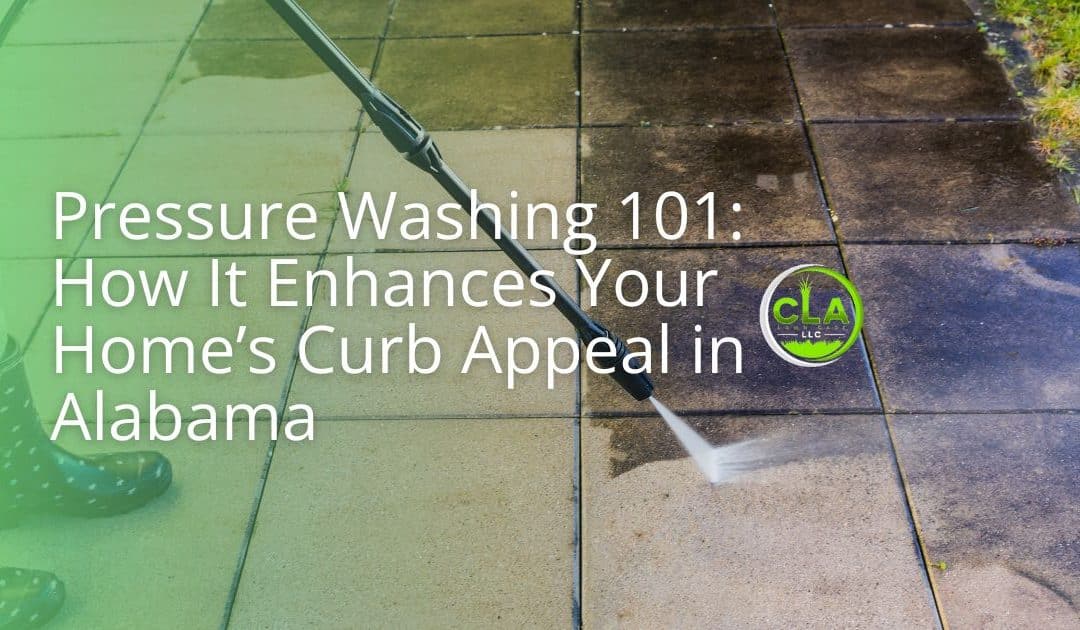
Alabama summers are hot and humid, and our winters can bring plenty of rain. While we love living here, the local climate can be tough on the exterior of your home. Over time, that beautiful siding, driveway, and deck can start to look dingy, covered in a layer of grime, algae, and mildew.
It’s easy to overlook, but regular exterior cleaning is a critical part of home maintenance. This is where pressure washing services come in. Pressure washing is more than just spraying water; it’s a powerful method of deep cleaning that uses high-pressure water spray to remove loose paint, mold, grime, dust, mud, chewing gum, and dirt from surfaces and objects.
For homeowners looking to boost their curb appeal in Alabama, pressure washing is one of the most effective and affordable solutions available. It instantly refreshes the look of your property and protects your investment from long-term damage caused by buildup.
In this guide, we will break down everything you need to know about pressure washing, from the equipment you need to the steps for doing it safely.
Why Pressure Washing Matters in Alabama
The humidity in Alabama creates the perfect breeding ground for mold and mildew. If you look closely at the north-facing side of many homes in our area, you’ll often spot green algae growing on the siding. This isn’t just an eyesore; if left unchecked, it can degrade building materials.
Here are the key benefits of adding pressure washing to your list of home maintenance tips:
- Instantly Improves Curb Appeal: Whether you are planning to sell your home or just want to be the envy of the neighborhood, a clean exterior looks newer and well-cared for.
- Prevents Damage: Mold, mildew, and algae can rot wood and eat away at protective coatings on siding. Removing them extends the life of your surfaces.
- Increases Property Value: According to the National Association of Realtors, washing a house can add significant value to the sale price.
- Protects Your Health: Minimizing mold and mildew on your exterior reduces the amount of allergens around your home, which is great for your family’s health.
Choosing the Right Tool for the Job
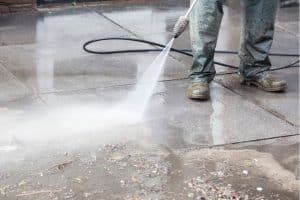 Not all pressure washers are created equal, and choosing the right one is key to getting the results you want without causing unintended harm. Using a machine that is too powerful can strip paint, etch concrete, or damage delicate surfaces like wood siding and windows. On the other hand, a pressure washer that is too weak will struggle to remove stubborn grime, leaving you with a job that’s only half-done.
To make an informed decision, it’s important to understand the two primary metrics that measure a pressure washer’s performance: pounds per square inch (PSI) and gallons per minute (GPM). PSI measures the pressure or force of the water stream, determining its ability to break apart dirt and stains. GPM measures the volume of water delivered, which affects how quickly you can rinse away the loosened debris. The combination of these two factors determines the overall cleaning power of the unit.
Here is a quick comparison to help you understand what you might need for different types of cleaning tasks:
| Type of Pressure Washer | PSI Range | Best Uses | Pros | Cons |
| Electric | 1,300 – 2,000 PSI | Cars, patio furniture, grills, small decks, light siding cleaning. | Quiet, lightweight, easy to maintain, affordable. | Lower power, tethered by a cord, slower cleaning. |
| Gas | 2,000 – 3,200 PSI | Driveways, large decks, siding, fences, tough stains. | Powerful, portable (no cord), cleans faster. | Loud, requires gas/oil maintenance, heavier, more expensive. |
| Commercial Grade | 3,200+ PSI | Industrial equipment, graffiti removal, paint stripping, large concrete areas. | extremely powerful, durable, high flow rate. | Very expensive, high risk of damage if used incorrectly, heavy. |
Key Areas to Focus On
When you decide to tackle your home’s exterior, having a clear plan makes the process much smoother and more efficient. You don’t need to wash every inch of your home, but focusing on high-visibility areas provides the greatest impact. Targeting these areas not only boosts curb appeal but can also help maintain the longevity of your property.
1. The Driveway and Walkways
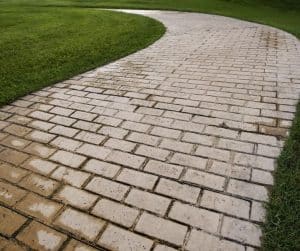 Your driveway and walkways are some of the first things people notice when approaching your home. Over time, these surfaces collect oil stains, tire marks, dirt, and even moss, which can make them look worn and neglected. A clean, bright driveway cleaning can transform the perception of your home, making it look well-maintained and inviting. Regular cleaning of these surfaces also improves safety by reducing slippery grime and growths like moss or algae.
2. Siding and Brick
Whether your home features vinyl siding, brick, or a combination of both, exterior surfaces can gather a layer of dust, dirt, and pollen that dulls their natural color. Cleaning these areas restores vibrancy and makes your home look fresh and new. For vinyl siding, however, take care while pressure washing. High pressure can force water under the panels, potentially causing damage to the insulation and promoting mold growth. For brick, use a gentle wash to avoid dislodging mortar or damaging the brickwork.
3. Decks and Patios
Decks and patios are often the centerpiece of outdoor living spaces, but they can quickly lose their appeal. Wooden decks, in particular, turn gray and slippery over time due to mildew, dirt, and sun exposure. Pressure washing removes this buildup and reveals the natural wood underneath, preparing it for staining or sealing. For concrete or stone patios, washing removes stains, moss, and grime, creating a clean surface that’s perfect for relaxing or entertaining.
4. Fences
Fences, especially wooden ones, often weather over time, taking on a dull, gray appearance. Pressure washing gently removes layers of dirt, algae, and weathering, revealing the wood’s original color and texture. A clean fence can create a more polished look for your yard, and washing it down helps prepare the surface for a fresh coat of paint or stain. This not only improves the fence’s appearance but also extends its lifespan by protecting it from further weather damage.
Steps for Effective Pressure Washing
If you choose to pressure wash your home’s exterior yourself, proper preparation and technique are critical. Pressure washers are powerful tools that can make a big impact, but improper use can cause injury or damage to your property. Follow these steps to ensure safe and effective results:
- Preparation is Key: Clear the area of all furniture, toys, and vehicles. Move potted plants and decorations away from the area, and cover delicate plants or landscaping with tarps to protect them from detergent overspray and high pressure. Close all windows and doors securely to prevent water intrusion, which could damage interior spaces.
- Safety First: Always prioritize safety when using a pressure washer. Wear safety goggles to protect your eyes from flying debris, closed-toe shoes (preferably sturdy ones rather than soft sneakers), and long pants. A pressure washer’s spray is strong enough to cut through skin, so keep your hands and feet far from the nozzle at all times.

- Apply Detergent: Use a detergent specifically made for the surface you’re cleaning. Attach the detergent nozzle to your washer, which is typically a low-pressure setting. Apply the detergent evenly over the surface, starting from the bottom and working your way up to avoid streaking. Let it sit for 5-10 minutes to break down dirt and grime, but keep an eye on it to make sure it doesn’t dry before you rinse.
- The Wash: Switch to a higher pressure nozzle for washing, starting with a wider spray angle (like 40 degrees) to avoid damaging the surface. Hold the wand at a steady angle, about 12-18 inches from the surface, and keep it moving constantly to prevent etching or uneven cleaning. Work methodically, spraying from the top down for siding and from one side to the other for horizontal surfaces like decks or driveways.
- Rinse: Attach a rinse nozzle (plain water) to your pressure washer and thoroughly rinse the surface, again working from the top down or side to side. This step ensures all detergent and loosened dirt are fully washed away, leaving your surfaces clean and ready for the next step.
- Let it Dry: Once washing is complete, allow the surfaces to dry completely before returning furniture, decorations, or potted plants to their original spots. If you plan to apply a sealant or stain to any wooden surfaces, ensure they are fully dry to achieve the best results.
The Benefits of Regular Pressure Washing
In addition to improving your home’s appearance, regular pressure washing has several long-term benefits. It helps prevent damage caused by mold, mildew, and algae, which can degrade wood, paint, and concrete over time. Clean surfaces also reduce slip hazards, especially on walkways and decks. By maintaining your home’s exterior with periodic washes, you can extend the life of your materials, save on costly repairs, and ensure your property always looks its best.
Frequently Asked Questions
We know that tackling a pressure washing project can raise some questions. Here are answers to common inquiries we hear from homeowners.
Is pressure washing safe for all surfaces?
No. High pressure can damage old brick (blowing out the mortar), soft wood, and asphalt shingles. It can also shatter glass windows and force water behind vinyl siding, leading to mold inside your walls. Always adjust the pressure or use a technique called “soft washing” (using chemicals and low pressure) for delicate areas.
How often should I pressure wash my house?
For most homes in Alabama, once a year is sufficient. Spring is a great time to wash away winter grime and pollen, but some homeowners prefer doing it in the fall. If you live near a dirt road or have many trees, you might need to do it twice a year.
How much does professional pressure washing cost?
Costs vary depending on the size of your home and the specific services you need (e.g., just the driveway vs. the whole house). In Alabama, you can generally expect to pay anywhere from $200 to $500 for a standard house wash, though larger properties or extensive concrete cleaning will cost more.
Can I damage my concrete driveway?
Yes, surprisingly. If you use a nozzle with a very narrow stream (like 0 degrees) and hold it too close, you can etch lines into the concrete that are permanent. Using a surface cleaner attachment is often safer and more uniform for driveways.
Conclusion
Taking care of your home’s exterior is a rewarding task that pays off immediately. A clean home looks welcoming, well-maintained, and valuable. While DIY pressure washing is possible for those who are handy, schedule professional pressure washing services if you are unsure about the equipment or safety risks.
By keeping up with this essential maintenance, you protect your biggest investment and keep your Alabama home looking its absolute best year-round.
