
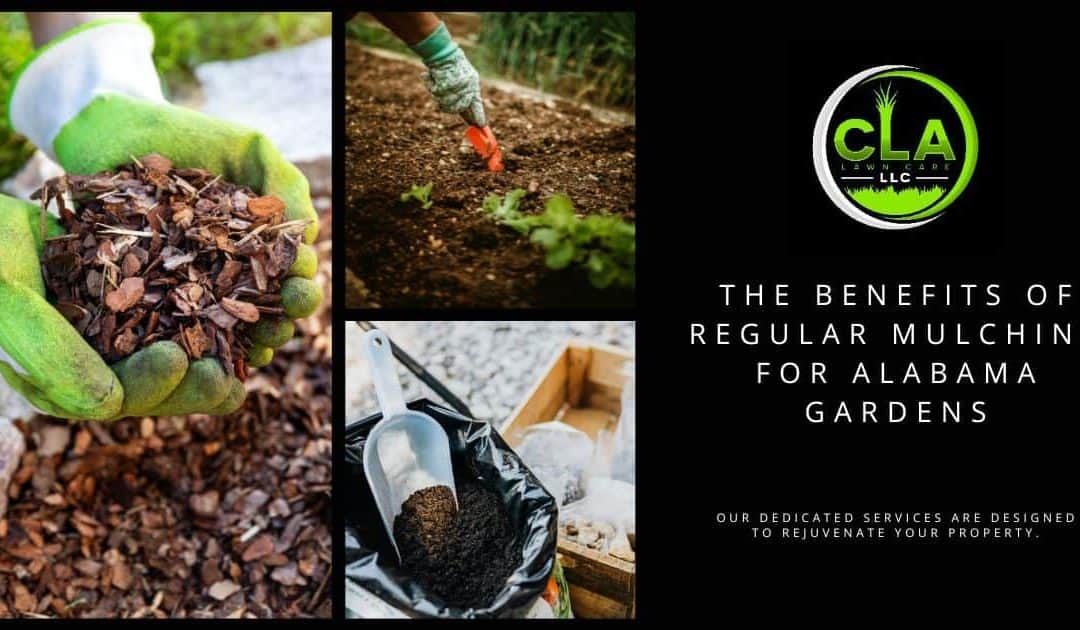
Gardening in Alabama presents a unique set of challenges and rewards. The warm, humid climate allows for a long growing season, but it also brings intense summer heat, sudden downpours, and a persistent battle with weeds. A well-maintained garden is a source of pride, and one of the most effective techniques for ensuring your plants thrive is surprisingly simple: regular mulching.
Mulching is more than just a finishing touch for your flower beds. It’s a fundamental aspect of successful garden maintenance in Alabama. This practice involves applying a layer of material to the surface of your soil. When done correctly, it protects your plants, enriches your soil, and reduces your workload. We’ll walk you through the key mulching benefits and offer some practical Alabama gardening tips to help you get the best results.
Why Mulching is Essential for Alabama’s Climate
Alabama’s weather can be tough on gardens. The hot sun bakes the soil, causing moisture to evaporate quickly and stressing plant roots. Heavy rains can cause soil erosion and nutrient loss, but mulch acts as a protective blanket to combat these issues.
Superior Moisture Retention
One of the primary mulching benefits is its ability to conserve soil moisture. A layer of mulch slows evaporation, keeping the soil cooler and more consistently damp. This means you’ll need to water less often, saving time and money. For plants struggling through a dry spell in July or August, this consistent moisture can be the difference between surviving and thriving.
 Natural Weed Control
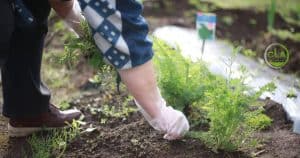
Weeds compete with your garden plants for water, sunlight, and nutrients. A thick layer of mulch blocks sunlight from reaching weed seeds, preventing them from sprouting. This significantly reduces the amount of time you spend pulling unwanted growth from your flower beds and vegetable patches, making garden maintenance in Alabama much more manageable.
Soil Temperature Regulation
Alabama soil can get extremely hot in the summer, which can damage sensitive plant roots. Mulch insulates the soil, keeping it cooler during the day. Conversely, it helps retain warmth during cooler nights and can protect plant roots from frost as the seasons change. This temperature stability creates a healthier environment for root development year-round.
Choosing the Right Mulch for Your Garden
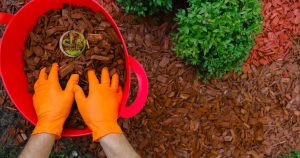 Mulches are generally divided into two categories: organic and inorganic. Each type offers specific advantages, and the best choice depends on your specific needs and garden goals.
Organic Mulch Types
Organic mulches decompose over time, adding valuable nutrients and organic matter to your soil. This improves soil structure, aeration, and fertility.
- Pine Bark: A popular and widely available choice, pine bark mulch is attractive and decomposes relatively slowly. It’s excellent for use around trees, shrubs, and in flower beds. Its slightly acidic nature makes it a great option for acid-loving plants like azaleas and camellias.
- Pine Straw: Another favorite in the South, pine straw is lightweight, easy to spread, and interlocks to stay in place on slopes. It allows water and air to penetrate the soil easily while suppressing weeds. As it breaks down, it conditions the soil, making it a fantastic choice for general landscape beds.
- Shredded Hardwood: This type of mulch is durable and stays in place well, making it suitable for sloped areas. It decomposes to enrich the soil with nutrients. It can sometimes compact, so it’s best to check it periodically and fluff it up if needed.
- Compost: Using your own compost as mulch is one of the best things you can do for your garden. It’s packed with nutrients and beneficial microbes that dramatically improve soil health. It’s a perfect choice for vegetable gardens and annual flower beds where you want to provide a strong nutritional boost.
Inorganic Mulch Types
Inorganic mulches do not break down and therefore don’t add nutrients to the soil. However, they are extremely durable and effective for weed control.
- Gravel or River Rock: These materials are excellent for creating permanent, low-maintenance pathways or for use in xeriscaping and around heat-loving plants. They don’t need to be replaced and provide excellent drainage.
- Landscape Fabric: Often used underneath another mulch type (like pine bark or gravel), landscape fabric provides a powerful barrier against weeds. It allows water and air to pass through but blocks sunlight effectively.
Best Practices for Mulch Application
Applying mulch correctly is just as important as choosing the right type. Following a few simple guidelines will ensure you get all the benefits without accidentally harming your plants.
How Much and How Often?
For most organic mulches, a layer of 2 to 4 inches is ideal. A thinner layer won’t be effective at suppressing weeds or retaining moisture, while a layer that’s too thick can prevent water from reaching the soil and may suffocate plant roots.
You should plan to refresh your organic mulch annually, typically in the spring. This replenishes the material that has decomposed and ensures the layer remains at an effective depth. Before adding a new layer, check the existing depth and lightly rake the old mulch to break up any compacted areas.
Application Tips 
- Clear the Area: Before applying mulch, make sure the area is completely free of weeds. Water the soil thoroughly to give your plants a good drink before you cover the ground.
- Keep a Donut, Not a Volcano: When mulching around trees and shrubs, avoid piling it directly against the trunk or stems. This can trap moisture against the bark, leading to rot and disease. Instead, leave a small, donut shaped ring of space around the base of each plant.
- Don’t Cover the Crown: For perennial plants, be careful not to cover the crown (the point where the stem meets the roots), as this can cause it to rot.
A Partner in Your Garden’s Success
Incorporating regular mulching into your routine is one of the most impactful Alabama gardening tips for creating a healthy, beautiful, and resilient landscape. It saves water, fights weeds, and builds healthier soil for the long term.
Whether you’re looking to enhance your curb appeal or boost the productivity of your vegetable patch, the right mulch can make all the difference. Taking the time to mulch this season is an investment that will pay off with lusher plants and less work for you down the road.
