
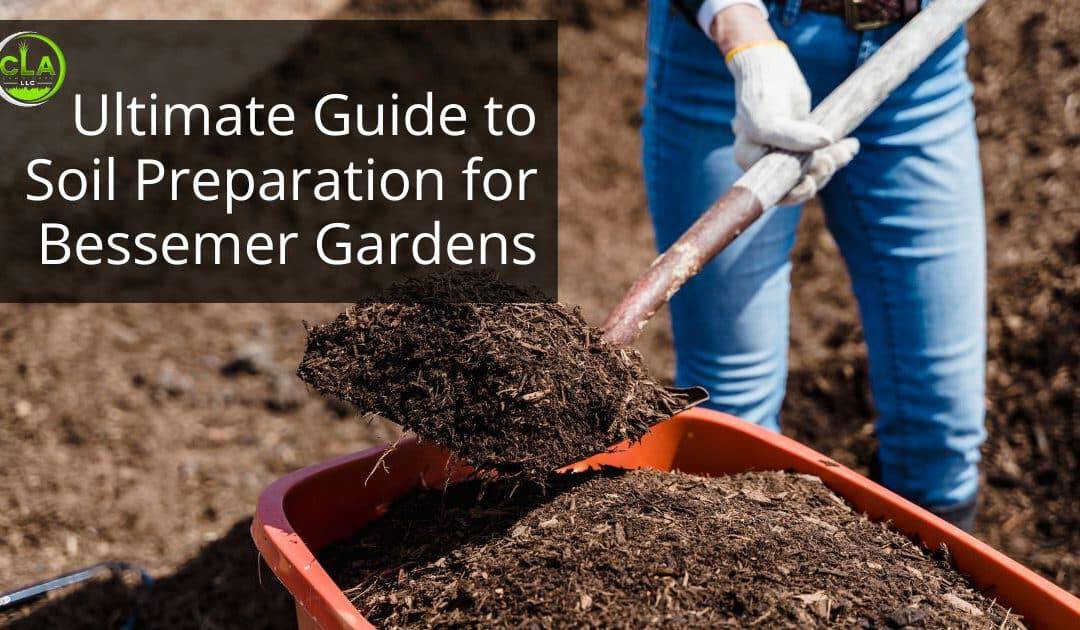
Healthy soil is the foundation of any thriving garden. Whether you’re a seasoned gardener or just starting in Bessemer, proper soil preparation is the key to growing lush plants, abundant flowers, and bountiful crops. But how do you ensure your soil is ready to support your gardening ambitions?
This guide will walk you through everything you need to know about soil preparation in Bessemer. From identifying your soil type to sustainable management techniques, you’ll learn actionable steps to create the perfect environment for your plants.
Understanding Your Soil Type
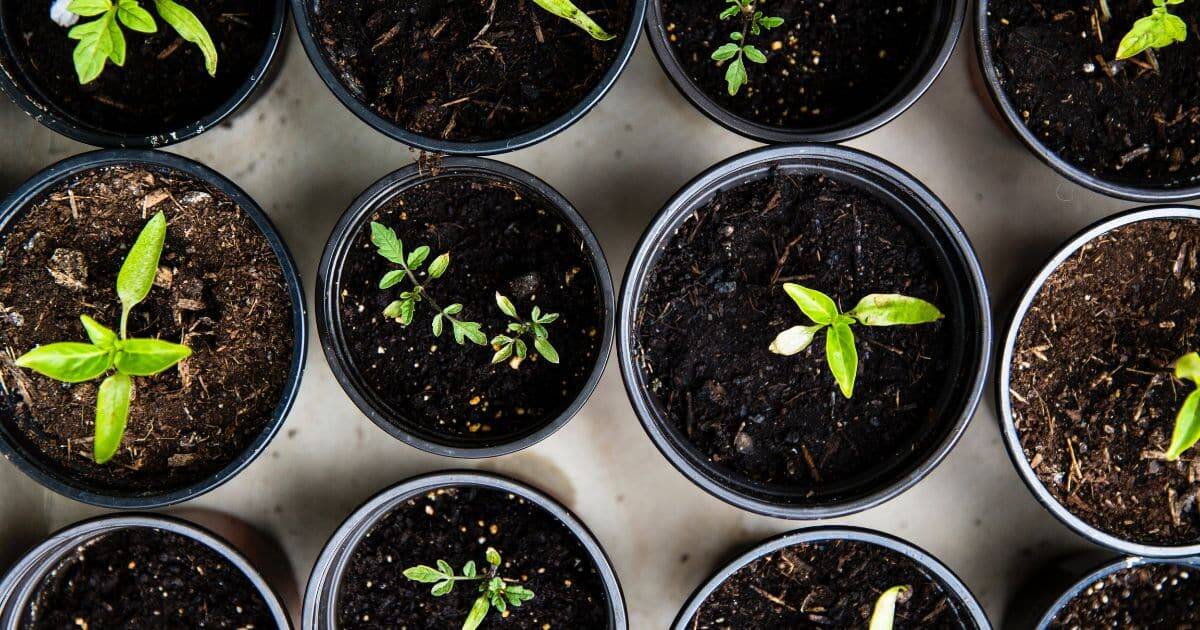 Bessemer’s soil types can vary widely, making it essential to understand what you’re working with. Soil largely falls into these categories, and each one affects your plants differently.
Loam
Loam is considered the gold standard for gardening. It balances sand, silt, and clay, drains well, retains nutrients, and supports healthy root growth. If you’re lucky enough to have loam, maintaining it is the goal.
Clay
Clay soil can hold plenty of nutrients, but its compact structure makes drainage a challenge. This often leads to waterlogged roots or hard soil that plants struggle to penetrate.
Sandy
Sandy soil drains water quickly, which can leach nutrients away from your plants before they absorb them. While it’s easy to work with, sandy soil often needs amendments to boost its nutrient-retention capacity.
Silty
Silty soil feels soft and fine, making it rich in both nutrients and moisture retention. However, it’s prone to compaction, which can inhibit root growth over time.
Peaty
Peaty soil is dark and rich in organic matter. It retains water well but can sometimes be acidic, requiring additional care depending on the plants you’re growing.
Pro tip: A few handfuls of soil can tell you a lot. Clay feels sticky, sandy feels gritty, silty feels smooth, and peaty is spongy. Loam will crumble easily but holds its shape when pressed.
Essential Soil Amendments
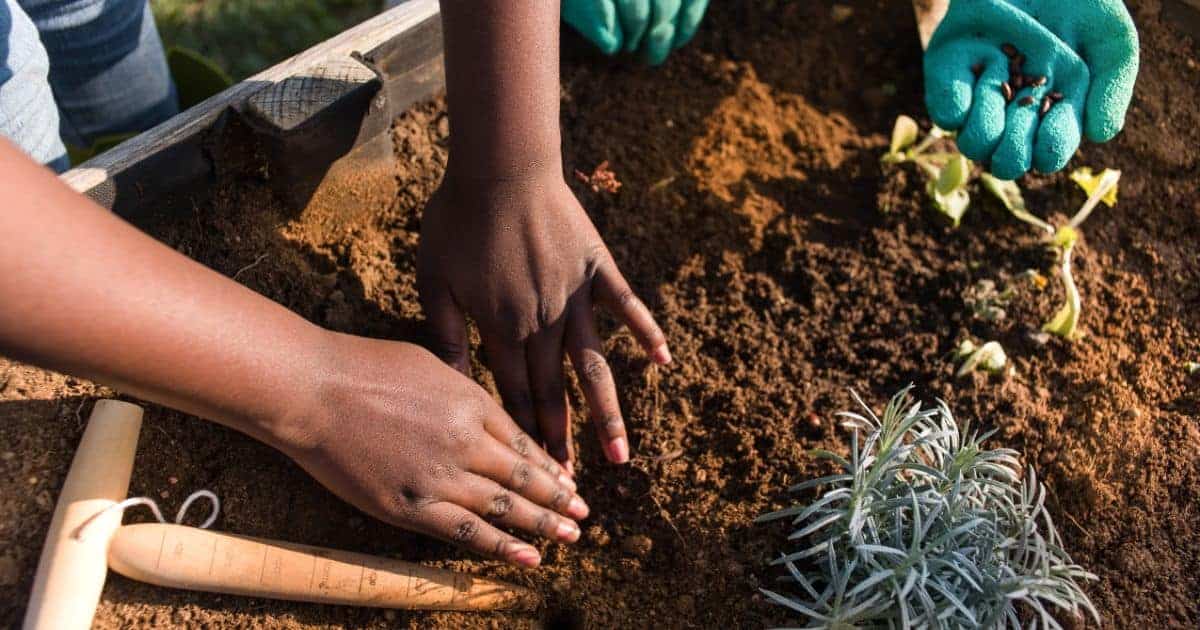
The key to transforming less-than-perfect soil is adding the right amendments to improve its structure and nutrient content.
- Compost: Packed with organic matter, compost is a gardener’s best friend. It enriches soil, improves drainage, and encourages beneficial microbial activity.
- Manure: A powerhouse of nutrients, well-rotted manure increases fertility. Just ensure it’s aged, as fresh manure can burn your plants.
- Peat Moss: Ideal for improving water retention and aeration in sandy or clay soil. Note, however, that it can lower pH levels.
- Lime or Sulfur: These amendments help to balance soil pH, which is crucial for nutrient absorption. Lime raises pH, while sulfur lowers it.
Tip: Always mix amendments evenly into your soil to avoid pockets of imbalance.
Step-by-Step Guide to Soil Testing
Before planting anything, it’s vital to know what your soil is missing. Conducting a soil test is easy and can save you endless frustration later.
1. Get a Soil Sample
Select samples from multiple spots in your garden. Dig 6-8 inches deep for an accurate representation of your soil’s characteristics.
2. Use a Soil Testing Kit
Home kits provide quick results for pH, nutrient levels, and more. Alternatively, local agricultural extensions can perform a more thorough analysis.
3. Interpret the Results
Look for pH balance, nutrient deficiencies (like nitrogen, phosphorus, or potassium), and organic matter content.
4. Amend Accordingly
Adjust your soil using recommended amendments for your specific needs.
Best Practices for Tilling and Aerating Soil
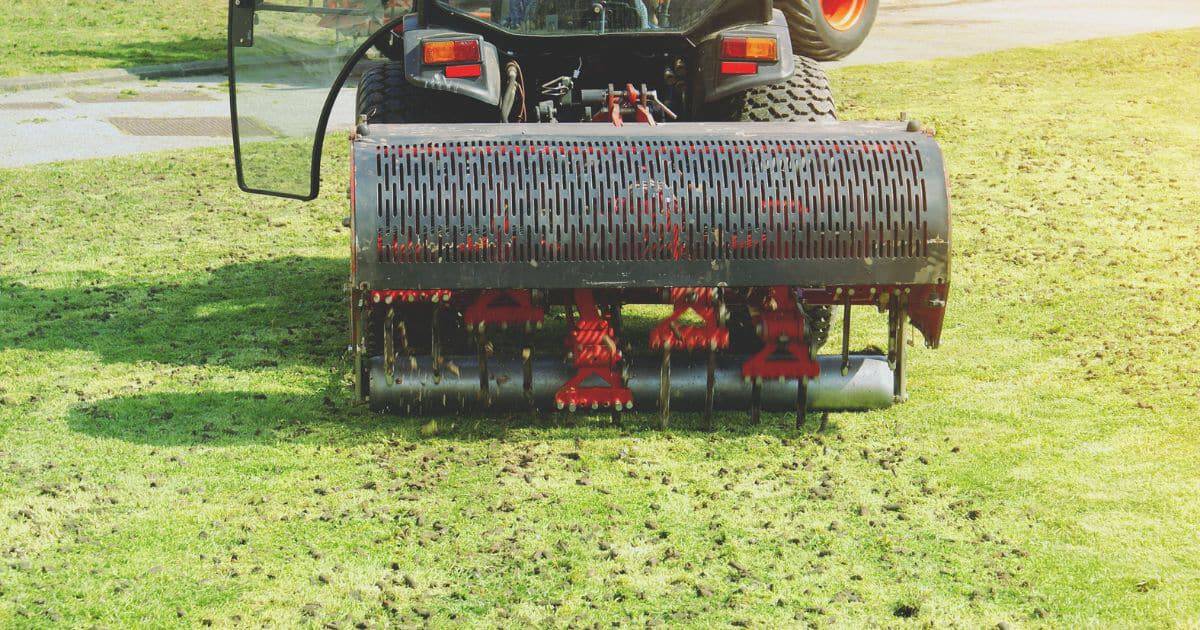 Tilling and aerating aren’t just about breaking up the ground; they’re about creating the ideal environment for healthy roots and oxygen flow.
- Till your soil in early spring or fall when it’s moist but not waterlogged.
- Avoid over-tilling, which can lead to compaction.
- Add organic matter as you till to integrate nutrients directly into the soil.
- For aeration, use a garden fork or aerator to loosen compact soil and improve drainage.
Crop-Specific Soil Preparation Tips
Different crops thrive in different conditions. Here’s how to tailor your soil for success.
- Vegetables: Most vegetables prefer loamy, nutrient-rich soil with a pH between 6.0 and 7.5. Regularly incorporate compost for steady nourishment.
- Flowers: Annuals usually require higher nutrient levels, while perennials thrive in soil with excellent drainage.
- Fruit trees: These need deeply aerated soil with plenty of organic matter. Adding mulch around the base retains moisture and prevents weeds.
Sustainable Soil Management Techniques
Healthy soil is a living system, and it needs care even after planting.
- Crop Rotation: Rotating crops helps prevent nutrient depletion and interrupts pest cycles.
- Cover Crops: Planting cover crops like clover enhances soil fertility and prevents erosion.
- Mulching: Organic mulch reduces evaporation, regulates soil temperature, and eventually decomposes to add organic matter.
- Minimal Tilling: To preserve beneficial microbes and reduce erosion, opt for less invasive tilling techniques.
Common Mistakes to Avoid
Even experienced gardeners make mistakes. Steer clear of these common pitfalls to ensure your success.
- Overwatering: Too much water can compact soil and suffocate roots. Invest in a moisture meter to monitor levels.
- Skipping Soil Tests: Guessing your soil’s needs often leads to over- or under-amending. Always test first.
- Neglecting pH Levels: Even nutrient-rich soil won’t support plants if the pH isn’t right.
- Improper Composting: Fresh compost can be too hot for plants. Always allow it to break down fully before adding it to your garden.
Resources for Bessemer Gardeners
 Gardening in Bessemer is a rewarding experience, and you don’t have to do it alone. Here are some resources to help you on your way.
- Local Agricultural Extension Offices: These provide soil testing services and expert advice tailored to Bessemer’s climate.
- Community Gardening Groups: Share tips and swap plants with fellow gardeners in the area.
- Gardening Supply Stores: Look for locally owned shops with staff knowledgeable about Bessemer’s unique conditions.
Prepare for Your Best Gardening Season Yet
Achieving healthy soil in your Bessemer garden takes some effort, but the rewards are worth it. With improved fertility, structure, and sustainability, you’ll enjoy thriving plants and abundant harvests for seasons to come.
And you don’t have to do it alone. Visit to www.clalawncare.com get expert tips, seasonal advice, and product recommendations straight to your inbox. Here’s to planting the seeds of success!
